Origin
Name pickup, warehouse and export-handling scope.

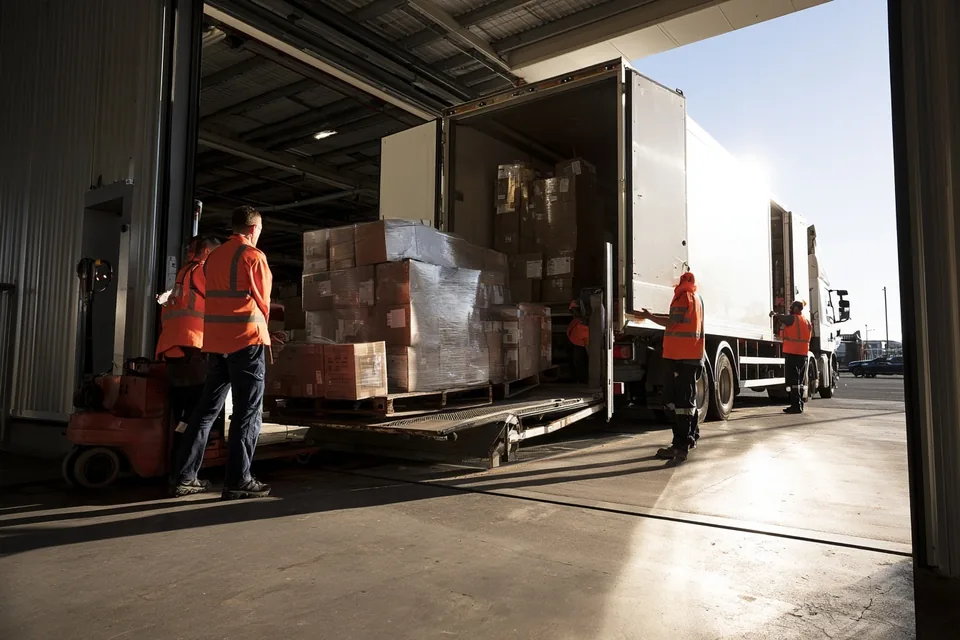
Build a door-to-door scope around explicit origin, transport, customs and destination responsibilities.
Describe the constraintName pickup, warehouse and export-handling scope.
Confirm mode, route basis and current acceptance.
Define handling, customs coordination and delivery.
Record exclusions, validity and changed-condition handling.
The cargo identity, package data, supplier readiness, destination and required service boundary must still be complete enough to compare workable options.
The customer can name the business objective and provide the facts that affect it.
More than one workable path can be compared on the same origin-to-destination scope.
Unknown cargo, special attributes or unclear customs responsibility moves to specialist review.
Supplier readiness, package measurements, handling, transfers, document status, customs roles, destination access and changed conditions can alter the result.
List origin, main transport, destination work, exclusions and validity separately.
Define where time starts and ends and which handoffs can change it.
Name who supplies information, coordinates work, approves changes and makes specialist decisions.
It is a planning structure, not an automatic rate, cargo acceptance or customs outcome.
No. Current service availability, cargo acceptance, documents and route conditions are verified for the actual shipment.
No. Feasibility, total scope, timing exposure, handling and responsibility are compared together before a human-reviewed recommendation.
Product and use, package count, weight, dimensions, China pickup point, destination, ready date, delivery objective and any special attributes.
Prepare the cargo, route and priority details once, then continue through WhatsApp, email or WeChat.
Build a shipment brief